

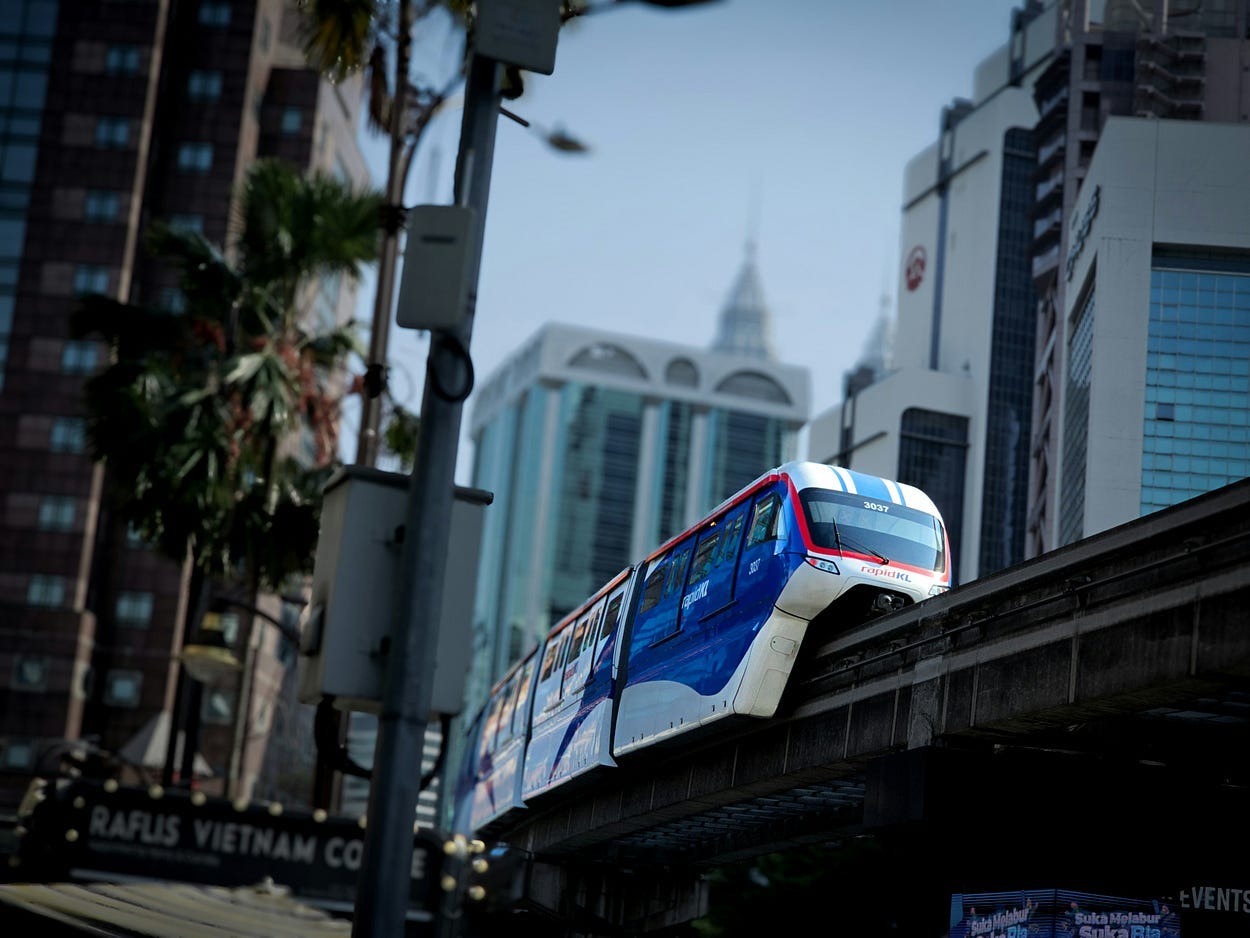
Where I live, public transportation is spotty at best.
City buses can take you throughout most of the uptown and downtown areas, but outlying villages and suburbs are not included on their maps.
We’re too far outside the city limits to walk, and biking along the highway is dangerous — not to mention unreasonable for people with mobility issues. My arthritis leaves me pretty isolated on days when I don’t have a reliable means of travel.
A taxi costs between $30 and $40 to travel from where I live to where most of the city’s amenities are located.
Thus, owning a car is virtually a necessity here. Almost everybody works in the city, myself included, so there’s no other option.
The village is a patchwork of roads and driveways situated off a major highway, and the traffic in and out is ridiculous. I’ve found myself sitting at the turn for fifteen minutes or more, waiting for a chance to join the stream of cars heading into the city limits.
It’s the only way to leave our area. There is no alternative route. A single accident on the road can leave us completely screwed for hours, and if storms knock down trees and block the streets, we’re completely cut off until we clear them.
The more cars making the trip in and out, the worse congestion gets — and that’s not even considering the air quality or the amount of roadkill on the highway.
Imagine if we had the option of just hopping on the tram instead.
Public Transportation in Washington, D.C.
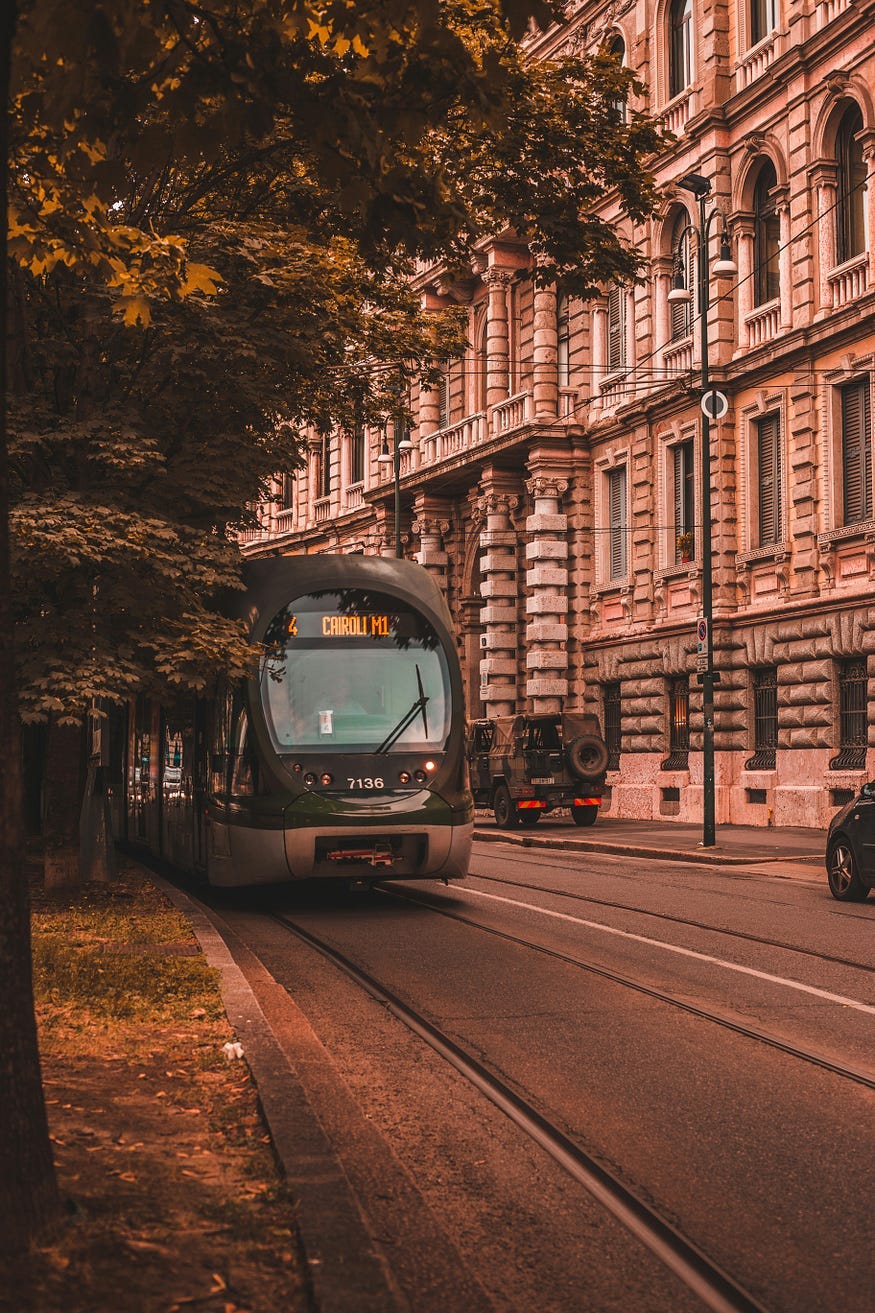
When my spouse and I visited Washington, D.C., a few years ago, we barely drove anywhere at all.
There was a convenient bus stop right beside the parking garage where we stashed his car for the week, and it was only a short walk from the front door of our hotel.
The bus carried us across the city to the nearest metro station, and from there, the entirety of D.C. was at our fingertips. We made our tour of the city either on public transport or on foot, and the only time we used his car was to run and grab some snacks from a local grocery store.
Now, the Washington Metro is not perfect. While the air within the trains is filtered and clear, the air within the enclosed underground stations often isn’t.
Particulates from the tracks fill the space and pose a health risk to frequent travellers, and that’s something that needs to be addressed. It’s a common problem across metro stations worldwide.
That said, the public transit systems in D.C. have a lot going for them. For one thing, a surprising amount of its infrastructure runs on electricity rather than fossil fuels.
While most electricity in the city is still based on biomass and fossil fuels — not great — there is hope for that to change. Solar is rapidly becoming a prominent feature in Washington’s electrical grid, and the city is open to further renewable energy development.
The energy consumption of the city is still far too high to be counted as sustainable, but the idea of public transit based on environmentally friendly energy is not out of the question.
We all know that the Metro system runs on electricity, for example. The easy availability of public transport also reduces the need for cars, allowing high numbers of people to travel with fewer vehicles on the road.
This helps reduce carbon emissions and also cuts down on traffic congestion — and it doesn’t hurt that the Washington Metropolitan Area Transit Authority is working on some promising sustainability initiatives.
They’re working on incorporating solar panels into their car parks, and they’re even in the process of completely replacing their gas-powered fleet of buses with electric vehicles:
As part of our Better Bus initiative, Metro is transitioning to a 100% zero-emission bus (ZEB) fleet. ZEBs have no tailpipe emissions, which means improved air quality, reduced greenhouse gas emissions, and quieter buses throughout the region. We’re also modernizing our bus garages to support zero-emission operations and training our workforce to prepare for this transition. — WMATA Zero-Emission Buses
Coupled with the Transportation & Climate Initiative Program proposed by the Department of Energy and Environment in the District of Columbia, there is a very clear path forward toward greater sustainability.
Public transportation is cited as a huge part of their future plans, and for good reason. The addition of everything from electric vehicles to new bike lanes for the able-bodied will help reduce traffic on the streets considerably.
Less traffic is beneficial for everyone.
How Do Vehicles Contribute to Climate Change?
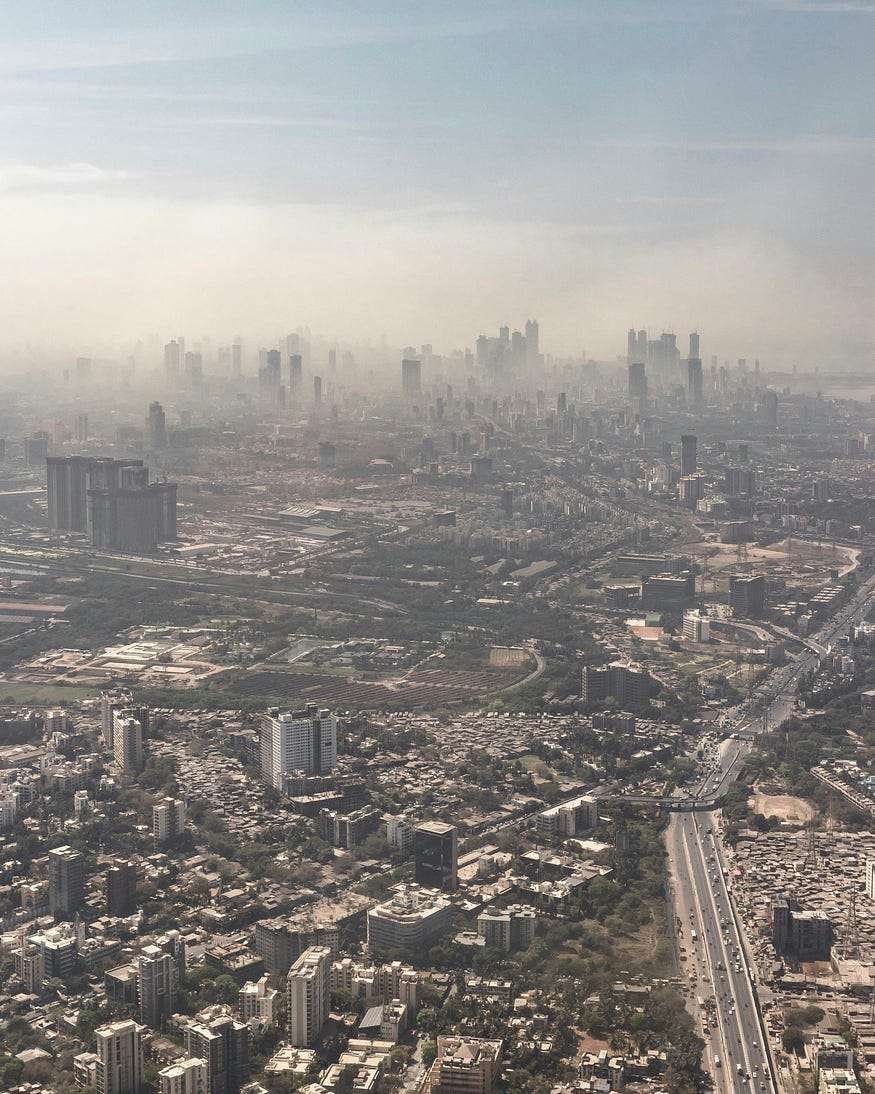
Cars are bad for the environment. Most of us know that already.
They produce emissions, and they mostly run on fossil fuels — transportation accounts for a whopping 28% of the United States’ greenhouse gas emissions. That’s not a small amount.
Even our electric vehicles still draw electricity from a fossil-fuel-based electrical grid, though that should hopefully change in the future.
But it’s not just the vehicles themselves that cause problems for the environment; it’s all of the infrastructure required for them to work.
In 2022, there were 283.4 million vehicles registered in the United States. Think about how large a vehicle is. Think about how much time you spend driving on any given day. Now think about all of the things that have to exist just to get around in your car — and how much space in a city is devoted to storing cars when they’re not in use.
Parking lots and highways are a nightmare for the environment, and they pose substantial risks for humans and wildlife as the world’s temperature rises.
For one thing, parking lots are basically giant heating pads.
What do you think happens when you take a wide, flat plane of land and cover it with heat-absorbing black asphalt, and then you pack a bunch of shiny metal objects on top of it on a bright sunny day?
If you’ve ever wondered why birds love to hover over car parks on warm days, it’s because of the thermal lift generated by the concentrated heat — it gives them a break from having to flap their wings.
This phenomenon is called the Urban Heat Island Effect, and there’s more to it than just car parks — most city infrastructure, like skyscrapers and roads, also contributes to the problem. These Heat Islands pose significant dangers to our health, on top of just being inconvenient.
Nobody likes walking across a hot parking lot to find out their car has turned into an oven while they are away. During heatwaves, those temperatures can easily lead to serious illness and even death.
And that’s not even taking into account how high heat can increase air pollution, too.
Large areas devoted to parking can also pose dangers during certain weather events, such as flash flooding caused by heavy rainfall. Paved ground doesn’t allow for rain to absorb into the earth, and it isn’t uncommon for storm drainage systems to be overfilled near parking spaces.
Imagine if we didn’t need all that space devoted to parking. Imagine if, instead of personal vehicles, public transportation covered all of our transit needs.
Imagine if those parking lots were replaced by public parks instead. Imagine if they were replaced by urban agriculture or community gardens.
Green Spaces In Cities
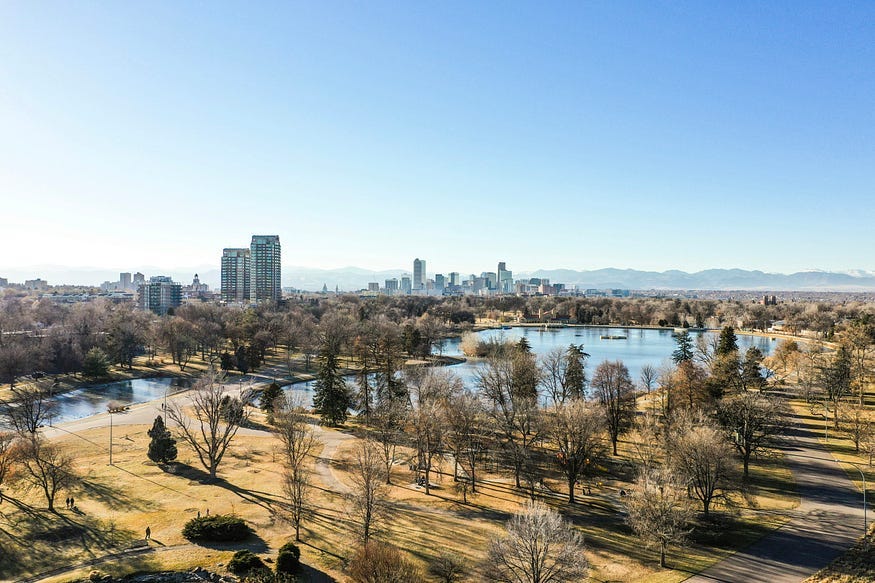
Have you ever heard of Forest Bathing? In Japan, it’s called shinrin-yoku, and it’s a marvellous activity for your mental and physical health.
It turns out that when you pack people into concrete cities full of noise, lights, and constant stress, they tend to get sick. Depression, high blood pressure, sleep disturbance, anxiety, you name it — our modern world has uncountable benefits, but it does have its share of problems.
Getting away from the city and spending time in a natural setting has repeatedly proven to be a reliable way of managing stress. It’s a well-known fact, to the point where you probably read that sentence and rolled your eyes at how I cleverly stated the obvious.
Shinrin-Yoku takes this basic idea and turns it into a therapeutic practice to improve our mental and physical health.
When I was a kid, my dad would often lead me out into the woods for exactly this reason. He’s a big believer in the concept, and he made sure to instill the idea in my head when I was young.
“If something is bothering you,” he’d say, “Tell it to the trees. They’re great listeners.”
His advice turned out to be pretty solid, and research backs it up. Regular Forest Bathing reduces stress, improves sleep, alleviates symptoms of depression and anxiety, and helps improve immune function.
It’s comparable to regular meditation practice, with the added benefit of removing yourself from the largest sources of stress and distraction.
The human brain thrives in green spaces. So, imagine if that big parking lot outside of your workplace were a wooded park instead.
Imagine taking your lunch break under the shade of a beautiful tree instead of at your desk, surrounded by coworkers and the constant reminder of the work you have to do.
Bonus points if you leave your phone behind or turn it off.
It’d help with the Urban Heat Island problem, too. The cooling effect of green spaces is very real; trees and grass cool the air instead of heating it up. Something as simple as installing gardens on top of high-rise buildings can help cool them down significantly.
Incorporating community gardens and urban agriculture into these green spaces could also go a long way in reducing the prevalence of Food Deserts. It’d be helpful for the environment in multiple ways, reducing the need to ship produce long distances.
With more public transportation, there’s far less need for expansive parking spaces. We could cut the need for parking lots and improve the health of our cities drastically by making public transit more accessible.
Public Transportation Benefits People and the Environment
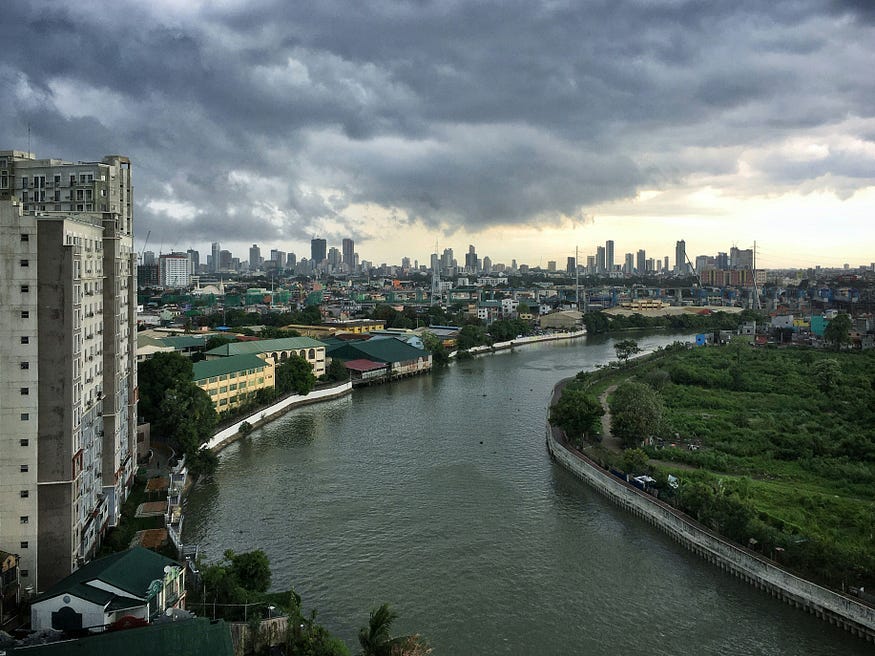
I love travelling by train. The metro system in D.C. gives you a beautiful view of the city as it crosses back and forth — at least when the tracks take you above ground.
The first time I took a trip to the United States, I entered the country by way of the Adirondack train from Montreal and into New York State. It was easily the most relaxing trip of my life.
All I could see when I looked out of my window was nature. Vibrant green forests, majestic cliffs, deep blue lakes and rivers. It’s no surprise that this is considered one of the most scenic routes in North America.
While the Adirondack is currently powered by diesel for the majority of its route, I’d love to imagine a utopian future where the whole system gets a greener upgrade.
I no longer travel to the United States, for very obvious reasons, but I’d still like to keep some small flicker of hope for a better future. The people deserve better than what they have now, and I wish my family down south all the best.
When I wasn’t admiring the scenic routes of the Hudson Valley from the window of a train, I often travelled through New England by bus. It was easy enough to make the trip over the border and hop coaches across the country.
But everywhere I went, the traffic was awful.
The roads are packed with cars. There’s the occasional bus among the throng, but every highway seems to be bumper-to-bumper, full of exhaust and tired drivers.
My village is the same way; even with our tiny population, there are constantly cars rolling up and down the street.
The cars, the infrastructure needed for them, and the amount of land we dedicate to them are terrible for the environment. Transportation accounts for over a quarter of the greenhouse gas emissions produced by the United States.
Under Trump, it’s set to get worse, not better. So many of his sycophantic followers keep parroting the idea that Climate Change is a hoax, so they can continue to emphasize profit from fossil fuels.
It’s expensive, it’s bad for the air, it’s stressful and draining on our mental health. I know I don’t feel great driving a long commute, and I don’t imagine you do either.
Now imagine if we didn’t have to.
Public transportation is better for the environment, and it’s better for us. I think it’s worth the investment.
Solidarity wins.